Combine a visit to the active crater of Poas Volcano with the lush trails of La Paz Waterfall Gardens on a guided day trip. Many of these excursions also feature local coffee plantation tours, convenient hotel transport, and included park fees.
 Free Cancellation
 Explore Poás Volcano, a traditional coffee farm, and the La Paz Waterfall Gardens on a full-day trip from San Jose.
 Free Cancellation
 Explore the active Poás Volcano, visit La Paz Waterfalls, and tour a coffee farm on this day trip from San José.
 Free Cancellation
 Visit the Poás Volcano crater, the 37-meter Peace Falls, and a working coffee estate for tastings and tours.
 Free Cancellation
 Explore the Poas Volcano crater and a local coffee farm on a full-day guided tour with hotel pickup.
 Free Cancellation
 A small-group tour of Poás Volcano, Doka Coffee Estate, and the wildlife-rich trails of La Paz Waterfall Gardens.
 Free Cancellation
 Hike to Poas Volcano’s active crater and visit the famous La Paz Waterfall through scenic coffee and flower farms.
 Free Cancellation
 Tour a coffee plantation, view the active Poás Volcano crater, and explore the wildlife and falls at La Paz Gardens.
 Free Cancellation
 Visit the active crater of Poás Volcano before exploring the wildlife sanctuary and waterfalls at La Paz Gardens.
 Free Cancellation
 Explore a mountain coffee estate, the 35-meter La Paz waterfall, and the active crater of Poás Volcano.
 Free Cancellation
 Visit an active volcanic crater, walk through rainforest waterfall gardens, and tour the Starbucks global coffee farm.
Read what travelers share about their experience visiting Poas Volcano — from practical tips to personal highlights.
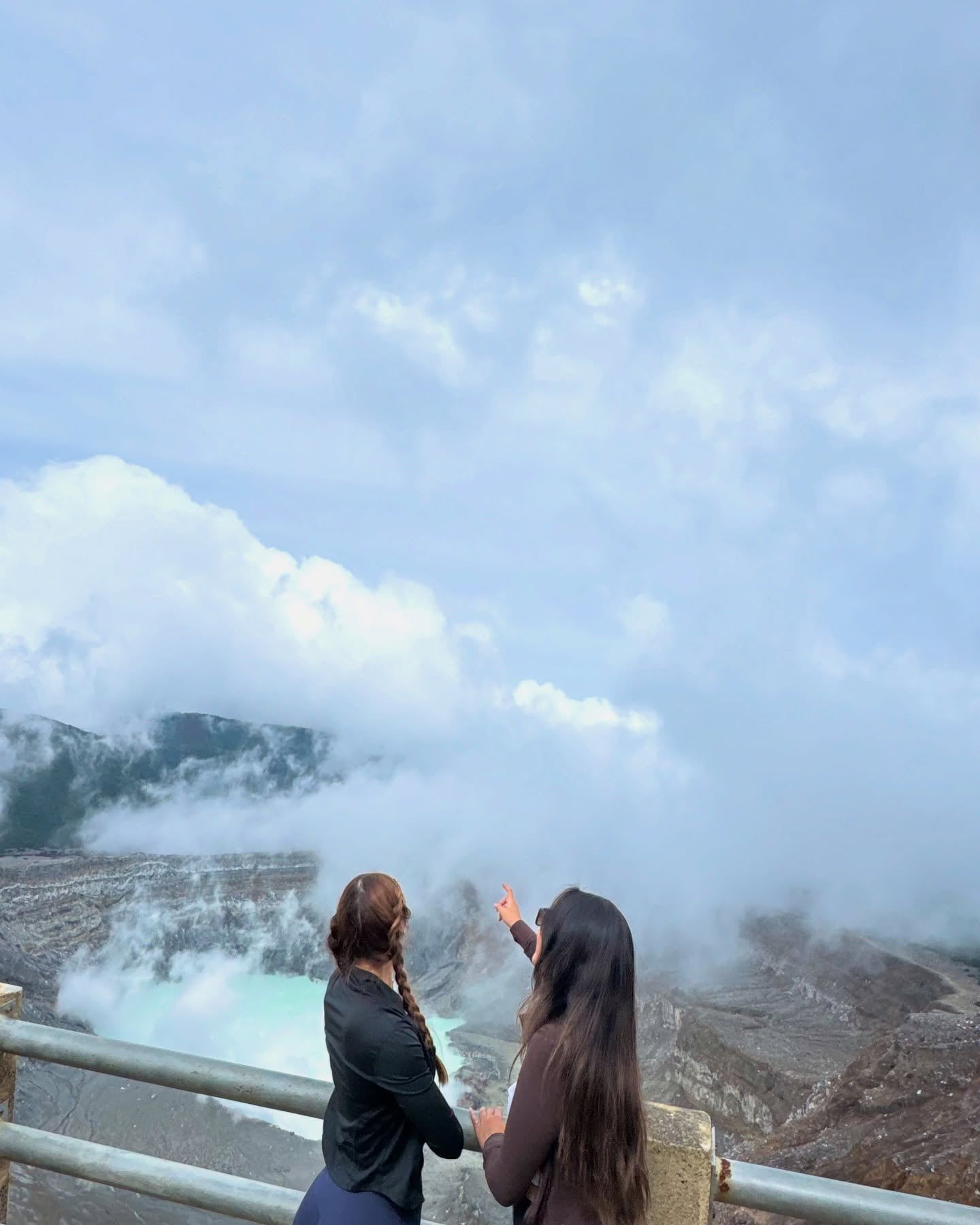
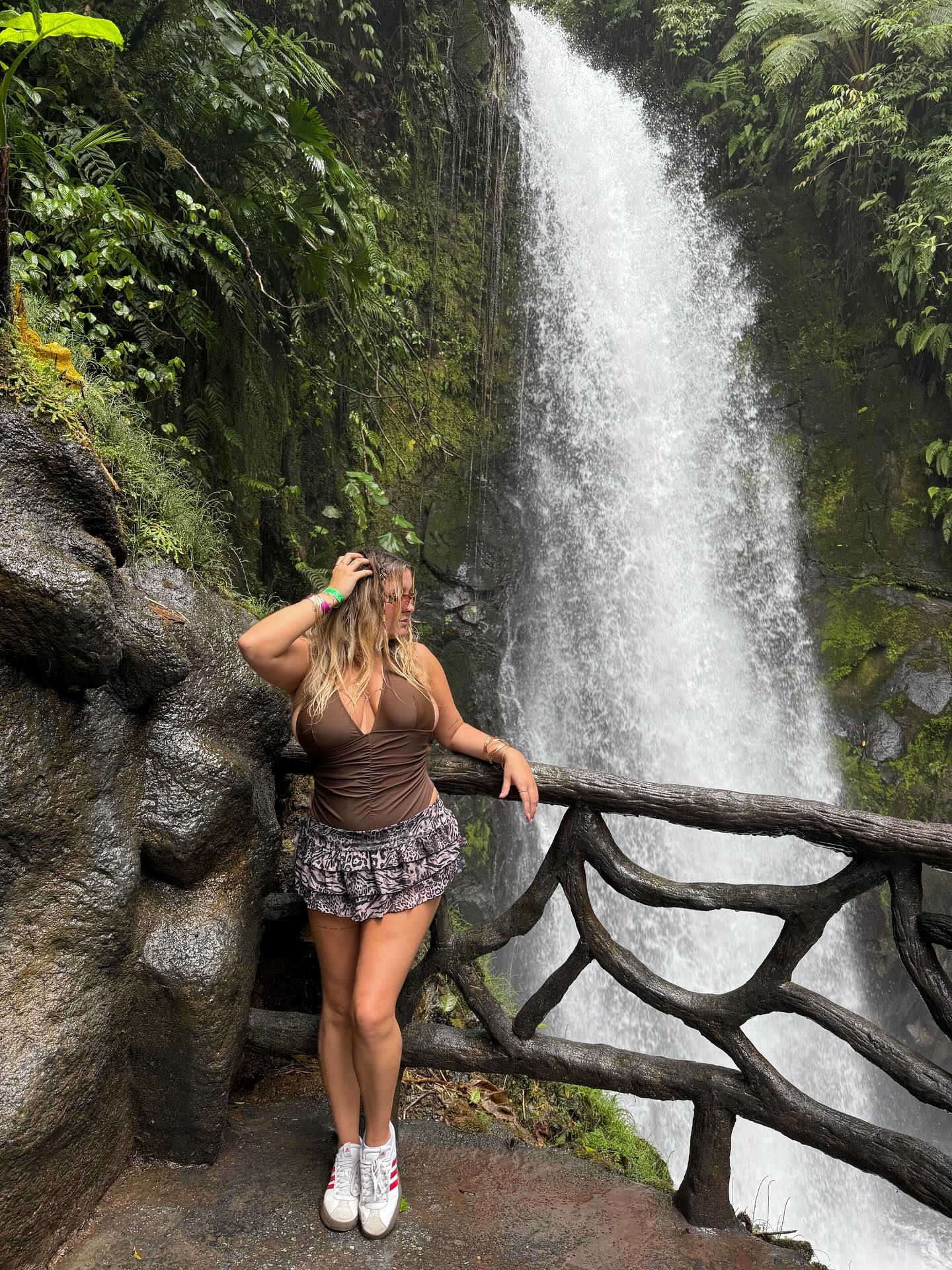
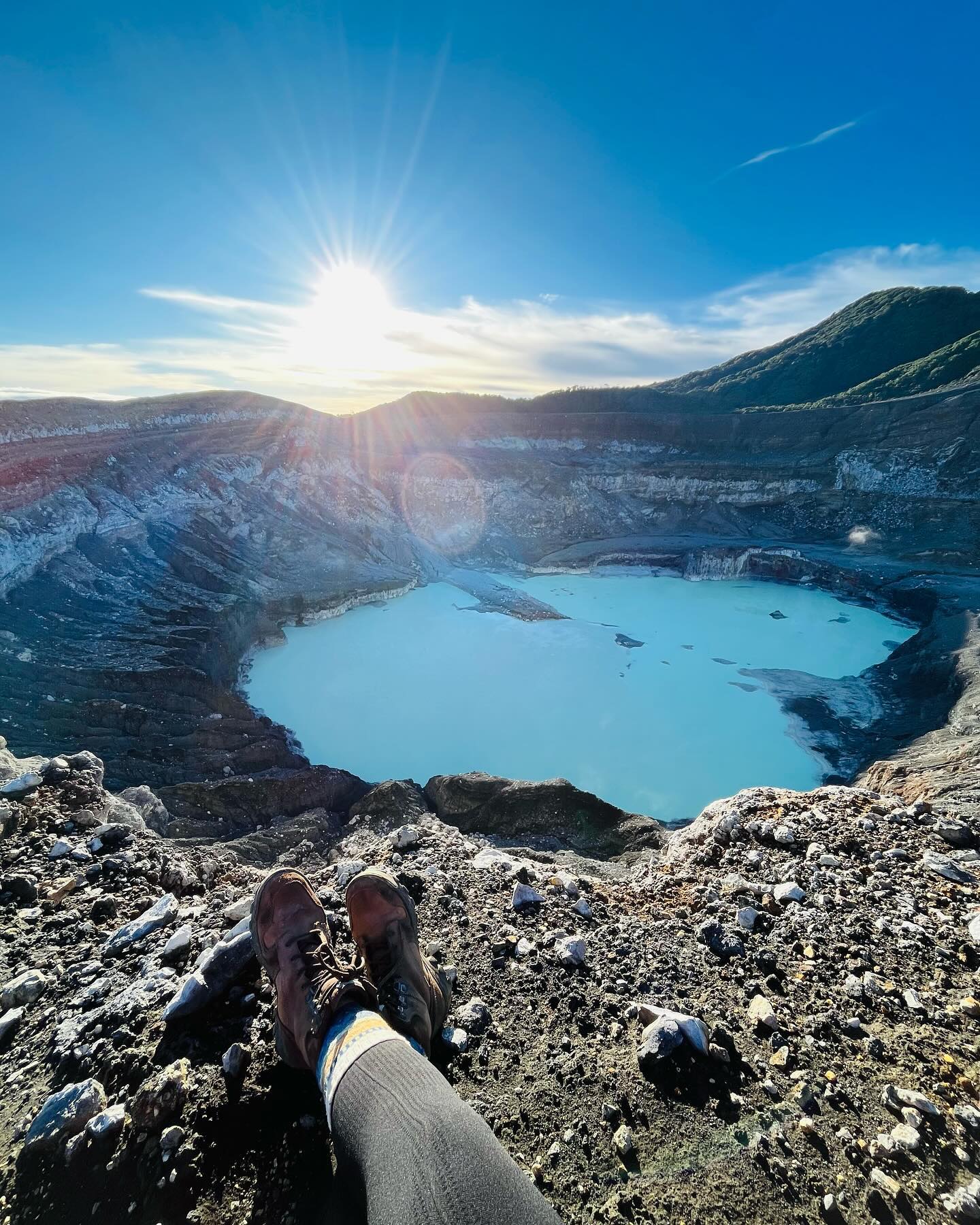
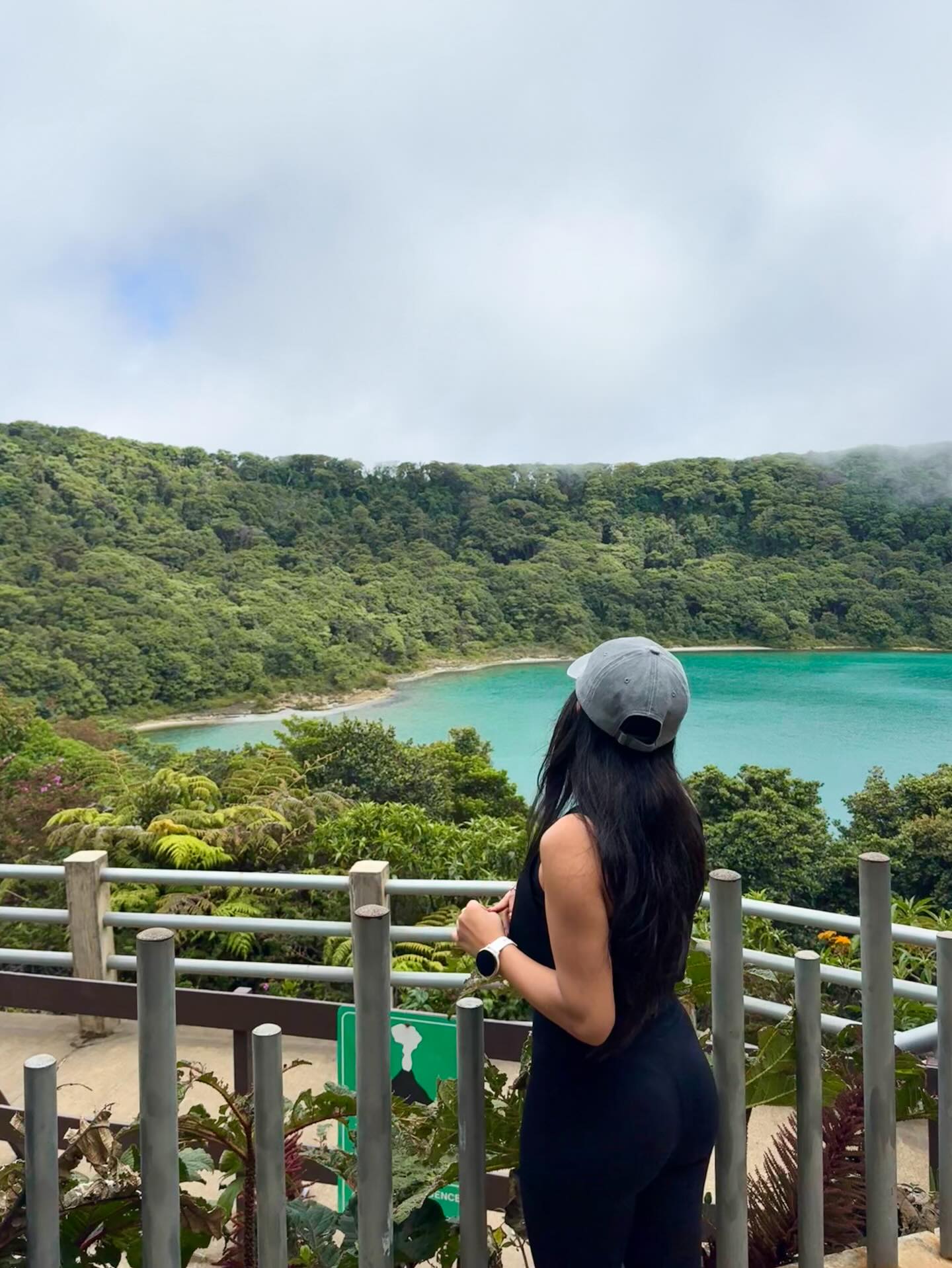
Tours to Poas Volcano and La Paz Waterfall Gardens offer a full day of exploring Costa Rica's incredible natural landscapes. You will journey from the edge of an active volcanic crater to lush cloud forests and thundering waterfalls, often with a cultural stop at a local coffee plantation along the way.
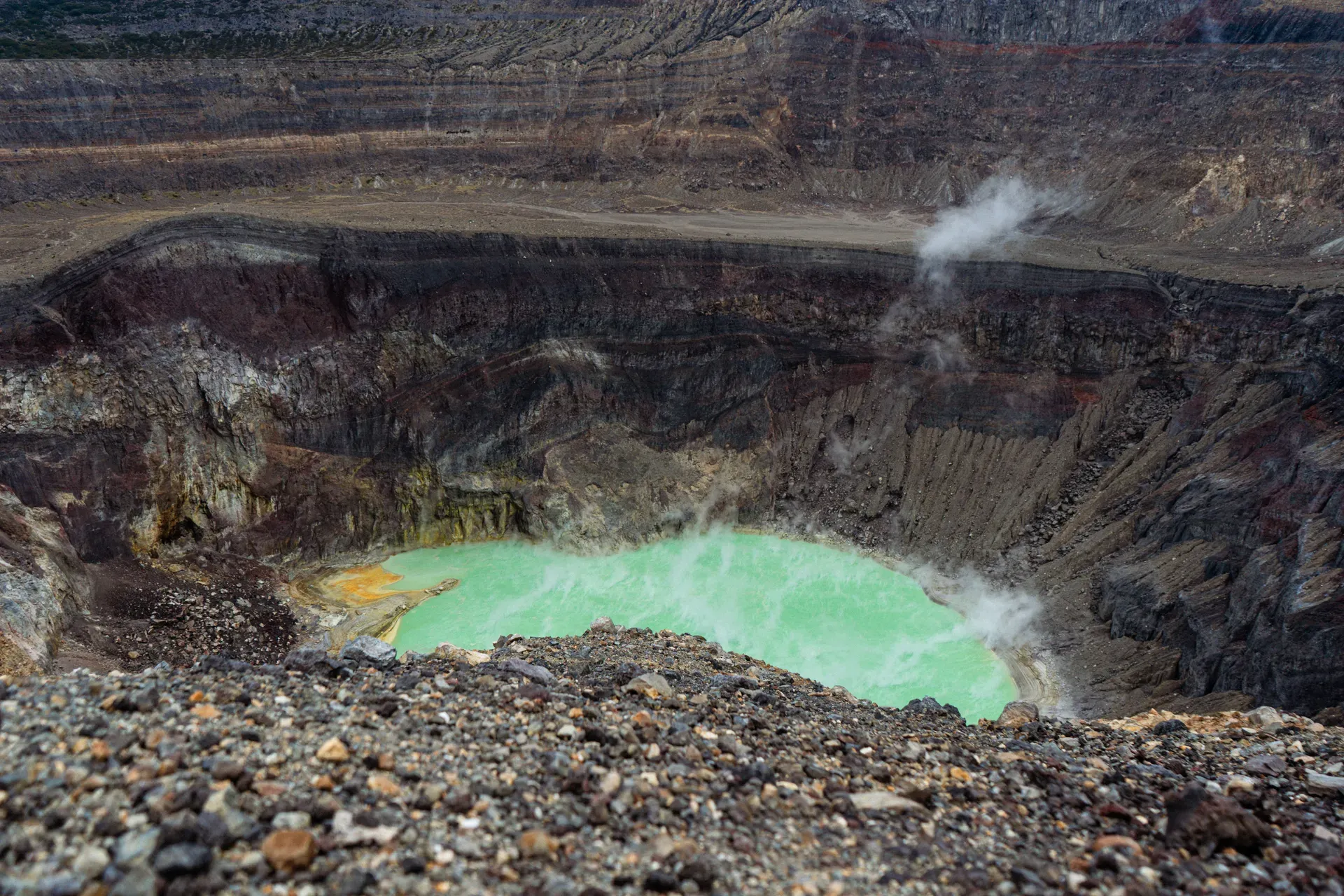
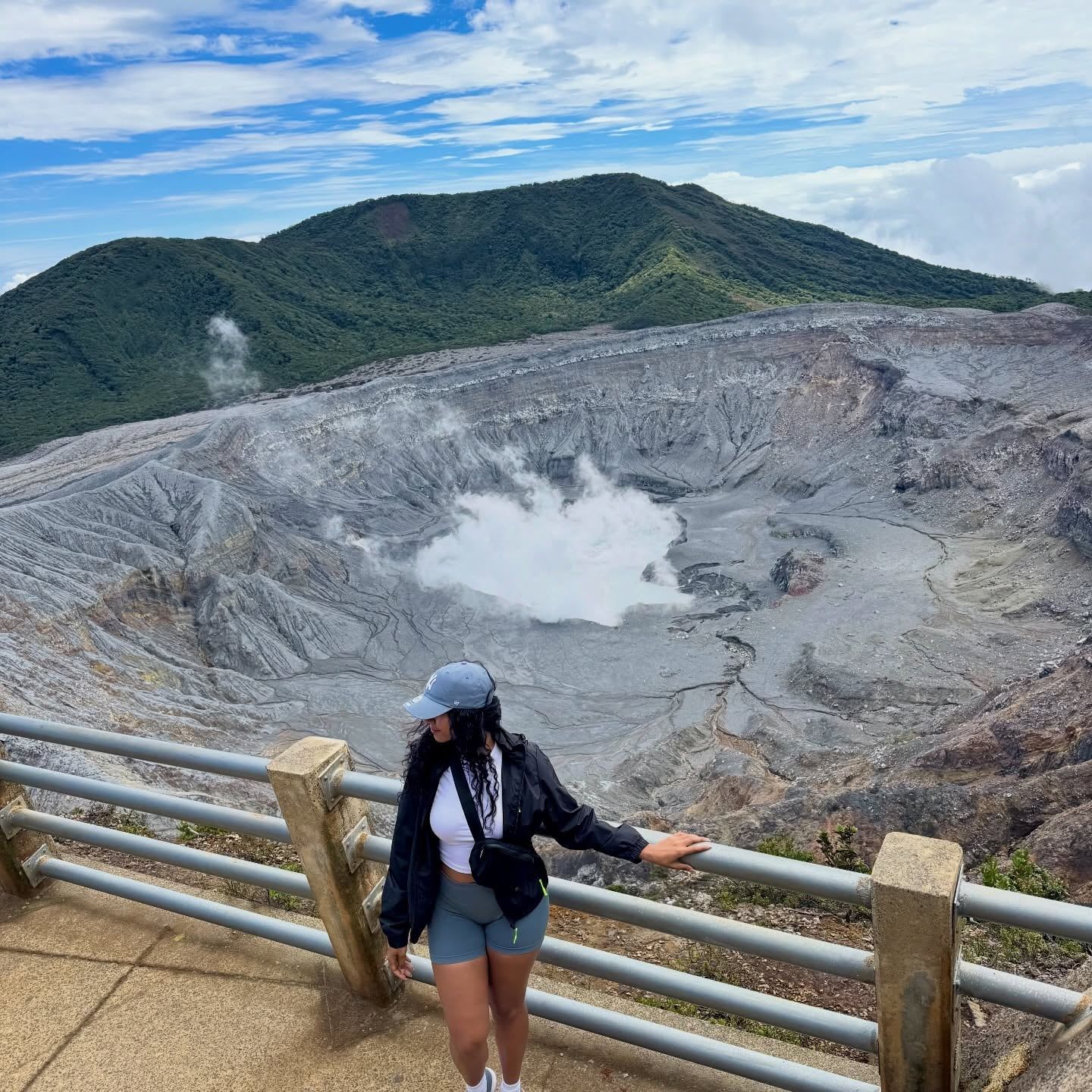
Walk a flat, paved road to peer directly into a 1.5-kilometer-wide active crater. On clear days, you can see Laguna Caliente, a bubbling, highly acidic turquoise lake surrounded by steaming fumaroles.
Explore an eco-park featuring five spectacular waterfalls, including the famous 37-meter La Paz drop. Well-maintained trails guide you through the dense rainforest right up to the cascading water.
Many tours stop at historic estates like Doka or Hacienda Alsacia. You will learn about the traditional cultivation, harvesting, and roasting processes before enjoying a fresh tasting.
Hike the scenic Botos Lagoon trail at the volcano. This 30-minute walk takes you through a mossy cloud forest filled with bird calls, ending at a tranquil, extinct crater lake.
At La Paz Waterfall Gardens, you can walk through a massive butterfly observatory and a hummingbird garden. The park also operates a wildlife rescue sanctuary for local animals.
Planning your trip to Poas Volcano and La Paz requires a bit of preparation, especially regarding national park rules, physical requirements, and what is included in your specific tour.
Most options are full-day guided tours lasting 10 to 12 hours, departing from San Jose or Alajuela. You can choose between cost-effective group tours or private excursions that offer a more flexible pace and personalized attention.
Read the inclusions carefully. Comprehensive tours (usually $150-$200) include the mandatory park entrance fees, La Paz tickets, and lunch. Budget tours (around $105) might only cover transport and guiding, leaving you to pay for lunch and entrance fees separately.
Poas Volcano requires strict, 20-minute entry time slots booked in advance via the government SINAC website. Booking a guided tour is highly recommended because the operator handles these strict logistical reservations for you.
Because tickets are strictly regulated by the national park system, you must provide the full names and passport numbers of all participants when booking your tour.
Poas Volcano is highly accessible, featuring a flat, paved path to the crater. However, La Paz Waterfall Gardens involves hiking and many stairs to reach the falls, making that specific section inaccessible for wheelchair users.
The volcano sits at an altitude of 9,000 feet, meaning temperatures drop significantly. You need to bring warm layers, a rain jacket, and closed-toe shoes, even during the dry season.
Most tour operators offer a flexible cancellation policy, allowing you to receive a full refund if you cancel at least 24 hours before the scheduled departure time.
Swipe to see more
| Full-Day Combo Group Tour | Private VIP Tour | Budget / Partial Inclusion Tour | |
|---|---|---|---|
| Duration | 10-12 hours | 8-10 hours | 10 hours |
| Best for | First-time visitors wanting to see all major Central Valley highlights | Families, cruise passengers, or those wanting a flexible pace | Budget travelers who don't mind paying for extras on-site |
| Inclusions | Transport, guide, lunch, all entrance fees (Volcano, La Paz, Coffee) | Private transport, bilingual guide, lunch, entrance fees, WiFi | Transport, guide, coffee tasting (Excludes lunch) |
| Price from | $149 - $199 USD | $255 - $295 USD | $105 USD |
Swipe to see more
Poas Volcano National Park: Open daily from 8:00 AM to 4:00 PM, including all national holidays.
Important Timing Rules:
The volcano is located about 50 kilometers (31 miles) north of San José in the Alajuela Province. The drive takes approximately 1.5 hours.
By Car: Drive north from San José via Route 712 through Fraijanes and Poasito. The road is fully paved but steep, narrow, and winding. A 4x4 is not required, but cautious driving is necessary.
By Bus: Take the TUASA bus from San José to Alajuela. From Prospero Fernandez Park in Alajuela, take the COOPETRANSI bus directly to the park. Note: This bus only runs on Saturdays and Sundays at 9:30 AM.
Tours & Transfers: Most guided tours include direct hotel pickup from San José, Heredia, or Alajuela, which is the most reliable way to ensure you hit your strict entry time slot.
Best Months: The dry season, running from late December to late April, offers the best conditions. You are much more likely to experience clear skies during these months.
Time of Day: Book the earliest time slot available, preferably 8:00 AM. Crater visibility drops sharply after 10:30 AM as thick clouds and fog roll into the cloud forest, often completely obscuring the active lake.
Worst Months: The rainy season (May to November) brings frequent afternoon showers, high humidity, and thick fog, making the trails muddy and the crater difficult to see.
Poas Volcano: This is one of the most accessible national parks in Central America. The main 600-meter (0.37-mile) path to the crater overlook is fully paved, flat, and gently graded. It easily accommodates manual and power wheelchairs. The visitor center also has accessible restrooms and designated parking.
La Paz Waterfall Gardens: While the wildlife sanctuary and animal exhibits are wheelchair accessible, the actual waterfall trails are not. Reaching the five waterfalls requires hiking down steep trails with many stairs.
Health Warnings: Elderly visitors and those with asthma or heart conditions should exercise caution at the volcano due to the high altitude (9,000 feet) and toxic sulfur gases.
Visitor Center: Located near the park entrance, this modern, multi-level facility features interactive educational exhibits about the volcano's geological and tectonic history.
Food & Drink: Upstairs in the visitor center, there is a spacious cafeteria serving hot specialty coffees, fresh empanadas, and sweet pastries. Note that no food vendors are allowed on the actual park trails.
Parking: On-site parking is available and costs 2,000 colones (about $4 USD) per car and 1,000 colones per motorcycle.
Safety: The park is equipped with real-time gas sensors, five safety shelters at the viewpoint, and a reception area where mandatory hard hats are distributed.
Mandatory Safety Gear: All visitors must wear a park-provided hard hat at all times while walking to and standing at the crater overlook to protect against sudden phreatic eruptions.
Prohibited Items: Drones and all aircraft are strictly illegal due to a Temporary Flight Restriction zone. Alcohol, illegal drugs, cigarettes, single-use plastic water bottles, and pets are also banned.
Restricted Zones: Entering off-trail volcanic zones, such as the sulfuric 'Canyon of Mordor', is strictly illegal. Violators face detention by park rangers and referral to the Public Prosecutor's office.
Capacity Limits: To manage gas exposure, access to the crater overlook is strictly capped at 56 people per shift.
Yes, tickets must be purchased in advance through the official SINAC website, as they are not sold at the gate. You must select a specific 20-minute entry slot and provide the passport numbers of all attendees. If you book a guided tour, the operator usually handles this for you.
For foreign non-residents, the entrance fee is $15 USD for adults and $5 USD for children aged 2 to 12. Costa Rican citizens and residents pay 1,000 colones for adults and 500 colones for children.
Visibility is highly dependent on the weather and is never guaranteed. To maximize your chances, book an early morning slot (around 8:00 AM) during the dry season, as thick clouds and fog usually roll in after 10:30 AM.
Poas is a highly active volcano capable of sudden phreatic eruptions that can eject steam, ash, and acidic water without warning. The mandatory hard hats are a safety measure implemented to protect visitors from falling debris.
Park rangers strictly enforce a maximum stay of 20 minutes at the main crater overlook. This rule exists to minimize visitor exposure to toxic volcanic gases like sulfur dioxide.
No, flying drones is strictly prohibited within the national park. There is a Temporary Flight Restriction zone over the volcano, and rangers strictly enforce this rule to protect the environment and visitor safety.
Poas Volcano is very wheelchair accessible, featuring a flat, 600-meter paved path to the crater. However, if your tour includes La Paz Waterfall Gardens, be aware that the waterfall trails involve many steep stairs and are not wheelchair accessible.
You should wear closed-toe shoes with good traction and dress in warm layers. The volcano sits at an altitude of 9,000 feet, making it quite cold, and you should always bring a rain jacket as sudden mist and showers are common.
No, a 4x4 is not necessary. The roads from San José to the park entrance are fully paved. However, the mountain roads are narrow, steep, and winding, so you should drive slowly and cautiously.
Yes, the tours are generally safe and the walking paths at the volcano are flat and easy. However, elderly visitors or anyone with asthma, heart conditions, or respiratory issues should consult a doctor due to the high altitude and toxic sulfur gases near the crater.
Browse verified tours with free cancellation and instant confirmation.
Find Tours


This full-day tour from San Jose visits three of the Central Valley's most significant sites. We begin at a local coffee estate to learn about the cultivation and production of Costa Rican coffee. Next, we travel to Poás Volcano National Park, home to one of the country's seven active volcanoes, where you can view its impressive crater. The afternoon is spent at La Paz Waterfall Gardens, a nature park featuring five distinct waterfalls. The site includes a wildlife sanctuary where you can see over 100 species, including rescued sloths, toucans, and hummingbirds. This itinerary combines the region's volcanic geography with its diverse flora and fauna.
For a full refund, cancel at least 24 hours before the scheduled departure time.
English, Spanish


We pick you up directly from your lodging in San José for a drive toward the 2,708-meter summit of Poás Volcano. The journey uphill offers views of the region's agricultural landscape, including dairy farms, strawberry fields, and ornamental plant nurseries. Once at the volcano, you will have the opportunity to see one of the country's most active craters firsthand. Following the volcano visit, we stop for a traditional Costa Rican lunch, which is included in the tour. We then head to the La Paz Waterfalls to view the massive cascades set within the lush local cloud forest. The day also includes a stop at a coffee farm, where you can learn about the history and production process of Costa Rica's famous coffee beans before returning to the city.
For a full refund, cancel at least 24 hours before the scheduled departure time.
English


This full-day tour travels through the mountains and cattle farms of Poás to reach the Poás Volcano. Once at the park, we will take a short walk to the edge of the crater to see the lagoon, keeping in mind that visibility is subject to the day's weather. There is a cafeteria at the volcano where you can grab a snack before we move on to the next stop. After the volcano, we visit Peace Falls, a 37-meter-high waterfall. The day ends at an authentic coffee hacienda. You will see the plantations, learn how the beans are processed, and sample coffee and chocolate produced on-site. We will then drive you back to your hotel.
For a full refund, cancel at least 24 hours before the scheduled departure time.
English, Spanish


This full-day excursion begins with a pickup directly from your hotel lobby in San José, Alajuela, Heredia, or Cartago. You will travel into the highlands to visit Poas Volcano National Park, where you can walk to the edge of the active crater to see its sulfuric lake and steam vents. The second half of the day is spent at a traditional coffee plantation. You will learn about the harvesting, processing, and roasting methods that define Costa Rican coffee production. The tour includes a guided walk through the farm and a tasting session before you are driven back to your accommodation.
For a full refund, cancel at least 24 hours before the scheduled departure time.
English


Your day begins at the Doka Coffee Estate, where local guides walk you through the cultivation, harvesting, and roasting processes of one of Costa Rica’s oldest plantations. From there, the tour travels to the summit of Poás Volcano to view its active crater and learn about the volcanic history of the Central Valley. The final stop is La Paz Waterfall Gardens, a lush cloud forest refuge. You will explore trails leading to several massive waterfalls and visit a sanctuary that is home to butterflies, hummingbirds, monkeys, snakes, felines, and frogs. This tour is conducted in small groups to provide a more relaxed pace and more time to interact with your guide.
For a full refund, cancel at least 24 hours before the scheduled departure time.
English, Spanish


This tour takes you through the diverse landscapes of the Central Valley, passing working coffee plantations and local farms growing strawberries, ferns, and flowers. As you climb toward the summit of Poas Volcano, you'll see how the vegetation changes into the dense, misty environment of the cloud forest. Once inside the National Park, you will walk to the edge of the massive main crater to observe its active sulfur fumaroles and unique geological features. After exploring the park's trails, the trip continues to the iconic La Paz Waterfall, known as the most famous cascade in Costa Rica, where you can experience the force of the falls firsthand.
For a full refund, cancel at least 24 hours before the scheduled departure time.
English, Spanish


Start the morning at the Doka Coffee Plantation for breakfast and a guided tour. You will walk through the farm to learn how local experts grow and process coffee. From there, continue to Poás Volcano National Park. At 2,708 meters high, this active volcano is known for its wide crater and sulfurous gas emissions. The visit at the park is timed for 40 minutes: a 10-minute walk to the viewpoint, 20 minutes to observe the crater, and 10 minutes to return. The day continues at La Paz Waterfall Gardens, where you can walk along the forest trails to see several waterfalls. The park also features an aviary, a large butterfly observatory, a hummingbird gallery, and exhibits for snakes, frogs, monkeys, and wild cats. The tour ends with a buffet lunch served on-site before heading back.
For a full refund, cancel at least 24 hours before the scheduled departure time.
English, Spanish


The tour begins at Poás Volcano National Park, where you can look directly into one of the world’s largest active craters from a safe observation deck. You will learn about the volcano’s history and the impact of its recent eruptions on the surrounding cloud forest environment. Afterward, the tour continues to La Paz Waterfall Gardens. This private sanctuary features five waterfalls and a rescue center for native wildlife. You will walk through the butterfly observatory and hummingbird garden, and see animals such as monkeys and jungle cats that were rescued and cared for on-site. The well-maintained trails allow for steady walking through the rainforest and easy access to multiple photography viewpoints.
For a full refund, cancel at least 24 hours before the scheduled departure time.
English, Spanish


Start the morning at a local coffee farm in the mountains. You will have a cup of coffee grown on-site while looking out over the landscape, providing a direct look at the region's agricultural traditions and mountain scenery. A short drive away, the tour visits the La Paz waterfall. This 35-meter drop sits within a canyon in the cloud forest, surrounded by dense vegetation and local wildlife. The trip ends at Poás Volcano, where you can stand at the edge of one of the largest active craters in the world. From the viewpoint, you can see the turquoise acid lagoon and the steam rising from the volcanic formations below.
For a full refund, cancel at least 24 hours before the scheduled departure time.
English, Spanish


The tour begins at Poás Volcano National Park, where you can look directly into one of the world’s largest active craters. From the observation deck, you will see the steaming, sulfuric lake and learn about the volcanic activity that shapes the local landscape. Next, you’ll visit La Paz Waterfall Gardens to walk through cloud forest trails leading to five massive waterfalls. The site also includes a wildlife sanctuary where you can see rescued species like jaguars, toucans, and monkeys, alongside a large butterfly observatory and hummingbird garden. The day concludes at Hacienda Alsacia, the only coffee farm owned and operated by Starbucks. You will walk through the nursery and processing facilities to see how beans are grown and harvested before ending the trip with a fresh cup of coffee at the open-air café overlooking the plantation.
For a full refund, cancel at least 24 hours before the scheduled departure time.
English, Spanish